Complex geometry
Reach compound angles, deep features, and multiple faces with a more flexible tool orientation.
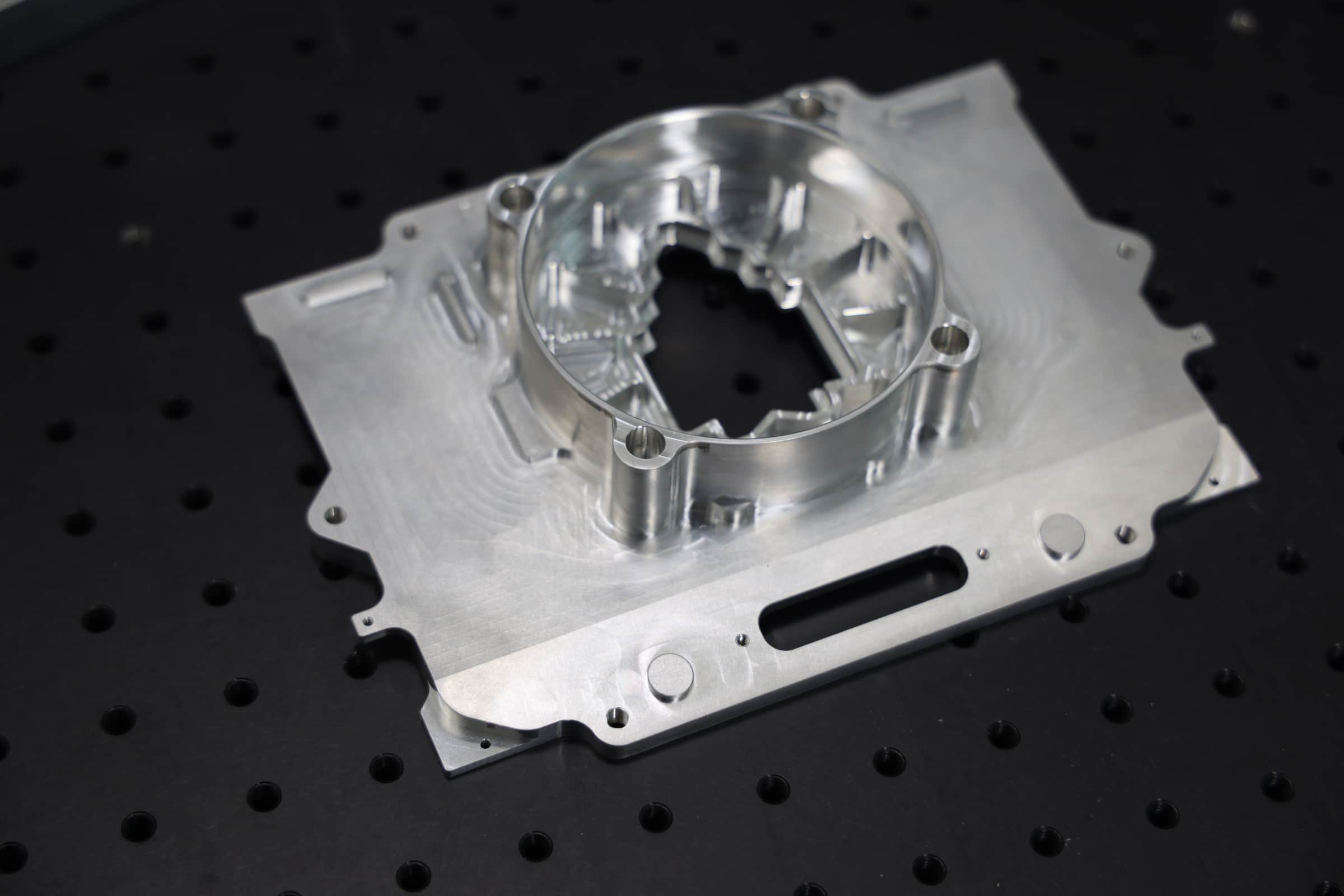
5-axis CNC machining
Simultaneous 5-axis machining gives complex parts a more direct path from raw stock to finished geometry—especially when multiple faces, compound angles, or hard-to-reach features must work together.
Haas UMC-750SS · Simultaneous 5-axis · Fremont, CA
Why 5-axis
Every extra setup adds time and creates another opportunity for features to drift out of relationship. 5-axis machining can consolidate operations and improve access where conventional approaches become awkward.
Reach compound angles, deep features, and multiple faces with a more flexible tool orientation.
Machine more of the part in one controlled setup when the geometry and process allow it.
Reduce the stack-up risk introduced when a part is removed, refixtured, and indicated again.
Use a repeatable multi-axis process for early parts and continuing production programs.
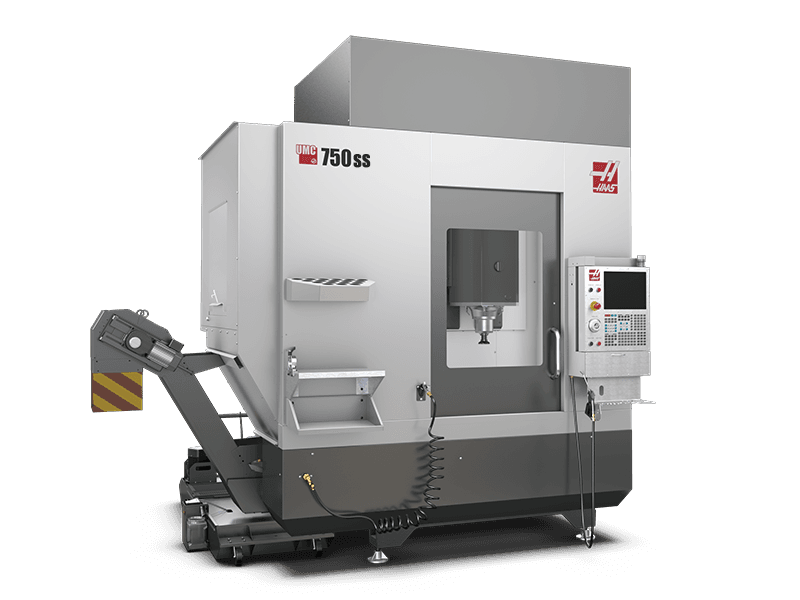
Machine platform
A high-speed universal machining center built for simultaneous 5-axis work and complex multi-side parts.
From RFQ to inspection
Identify critical surfaces, access constraints, datum strategy, and inspection expectations.
Plan workholding, orientation, tool access, and where 5-axis motion creates a real advantage.
Build and execute a controlled toolpath around the selected process and part requirements.
Inspect the finished part with the appropriate dimensional methods, including CMM capability.
5-axis FAQ
5-axis CNC machining moves a cutting tool or workpiece along five axes, allowing multiple sides and complex surfaces to be machined with fewer setups than conventional 3-axis work.
It can reduce refixturing, improve access to difficult features, and help preserve geometric relationships between surfaces. The actual benefit depends on the part design and production plan.
Superior operates a Haas UMC-750SS universal machining center with simultaneous 5-axis capability, a 12,000 RPM spindle, and 51-tool capacity.
Start a conversation
Send the model, drawing, quantity, and required timing. We’ll review the geometry and recommend a practical machining approach.